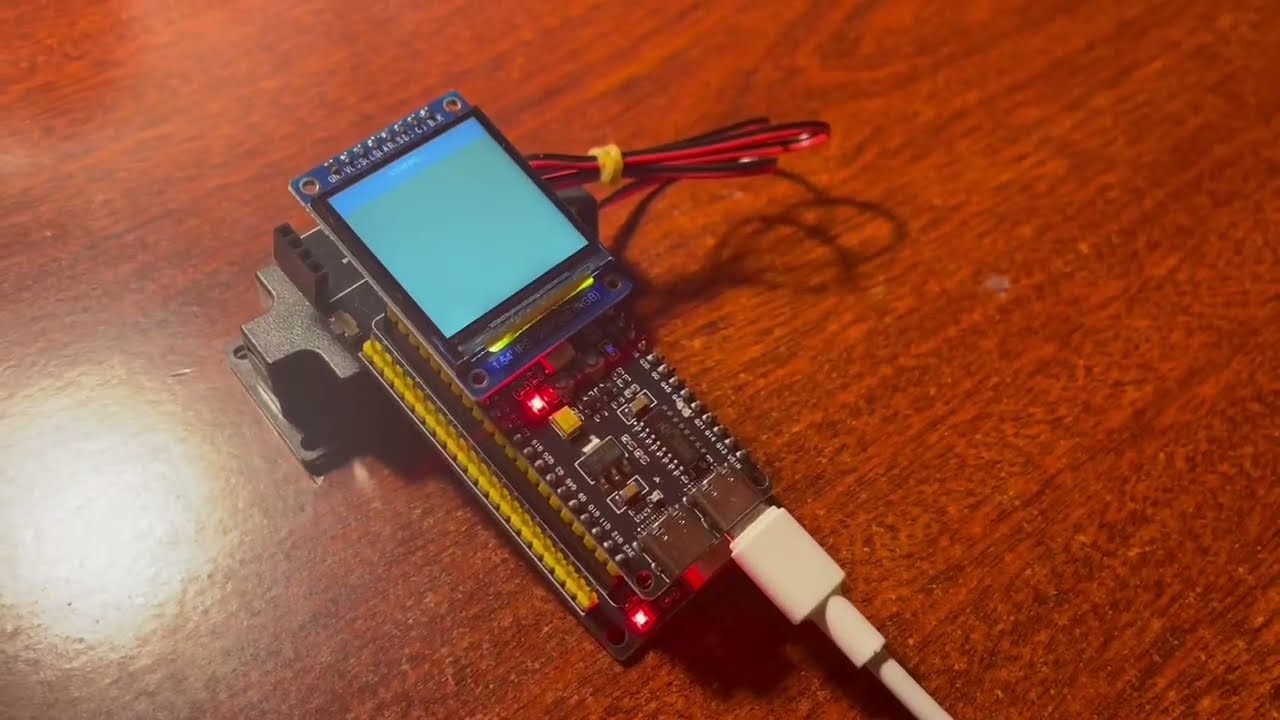
Open-source toolkit for building and self-hosting voice AI agents with Rust services and ESP32-based hardware.
Read the setup guide, configure the speech and model services, and test the voice device in your own environment.
Access and pricing: The server repository is GPL-3.0. Hardware, hosting, and model or speech providers can cost extra; open-source software does not include free inference.
What it does well
The EchoKit server repository describes the server as the central component linking an EchoKit device to AI services. You configure it in a config.toml file, choosing services for voice activity detection, speech recognition, the language model and text-to-speech, plus prompts and MCP servers. It accepts OpenAI-compatible endpoints for speech recognition, language models and voices, with built-in pipelines for Google Gemini and Alibaba's Qwen Real-Time.
Getting started in 10 minutes
Clone the repo, edit config.toml, build with cargo build --release and start the server. Test with the chat page at echokit.dev/chat, then set up a device over Bluetooth at echokit.dev/setup by entering WiFi details and the server's WebSocket URL.
Limits to check before you commit
The server is GPL-3.0. Hardware is either the EchoKit device or a custom ESP32 running the firmware, and you also pay for any cloud model or voice services you connect. On aarch64 the build may need an extra flag. Comfort with Rust tooling and config files helps.