
Image prompt
ChatGPTArt & Design
Autumn Pumpkin Patch Film Portrait From Your Photo
Use your own uploaded photo to create a autumn film portrait while keeping the subject recognizable. Includes a fictional reference and a real AI-edited example.
Useful prompts. Clear examples. Inputs you can make your own. Find your next prompt, copy it, and start creating.
100 prompts to explore · Choose a format below
100 results
Use your own uploaded photo to create a autumn film portrait while keeping the subject recognizable. Includes a fictional reference and a real AI-edited example.
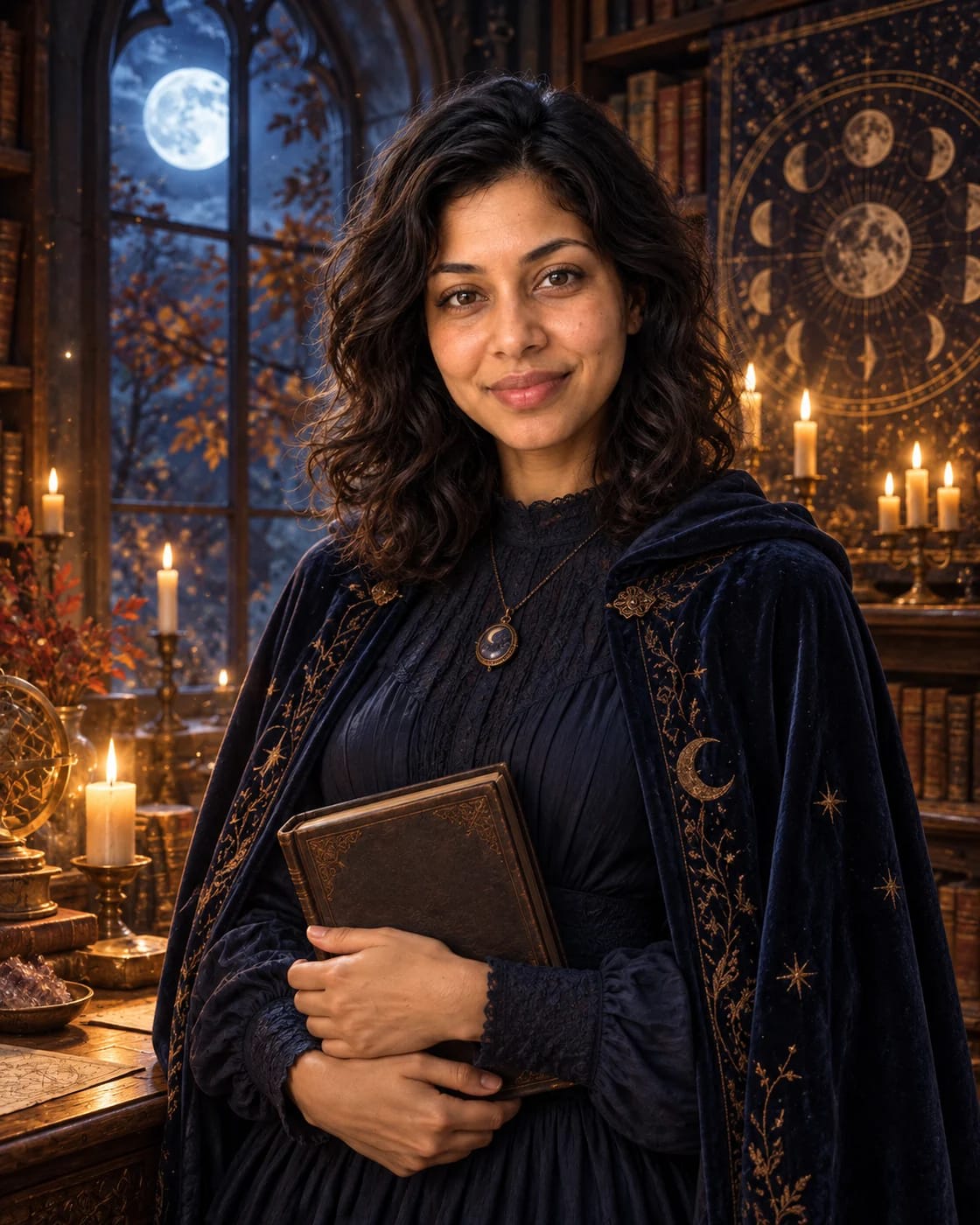
Use your own uploaded photo to create a halloween witch portrait while keeping the subject recognizable. Includes a fictional reference and a real AI-edited example.
Use the commit messages and diff I attach. Draft Added, Changed, Fixed and Known limitations sections, omitting empty sections. For each claim, cite the file or commit supporting it. Distinguish code changes from behavior verified by tests. Do not invent test results, deployment status, speed improvements or bug reports. Exclude secrets and internal identifiers from reader-facing copy. Finish with questions that require developer confirmation. If only a commit title is available, label its behavior unverified.
Translate a supplied diff into reader-facing release notes, with source references and clear limits on unverified behavior.
Read the invoice lines I paste or attach. Extract description, quantity, unit price and printed line total without guessing missing fields. Recalculate quantity × unit price for each fully specified line. Show a table of printed total, calculated total and difference. Sum the calculated line totals separately from tax, shipping and discounts. Apply those adjustments only when the source specifies their amount or exact rule. Flag ambiguous currency and rounding. Do not assert the invoice is valid or paid. Ask me to check the arithmetic in a calculator before acting.
Reconcile a small invoice from supplied quantities and unit prices, showing calculations and missing inputs for human review.

Build a cozy miniature autumn café in a pumpkin, using visible clay texture and a square social-post composition.
Plan exactly three short shots of {{subject}} in {{setting}}. Define a continuity lock with colors, markings, props, direction of motion and lighting that must stay fixed. Create a table with shot number, visible action, camera distance, camera move, continuity checks and a standalone generation prompt. Keep actions physically simple. Do not promise that a generator will preserve identity or create exact timings. End with a low-cost review order: generate one shot, inspect the fixed details, then decide whether to continue.Write a compact shot plan that separates fixed subject details from changing camera moves before spending video-generation credits.
Translate the attached or pasted SRT captions into {{target_language}}. Keep every cue number, start time, end time and blank-line boundary exactly as supplied. Translate dialogue only; preserve proper names unless I supply an approved glossary. Do not merge or split cues, add timings, or silently repair malformed input. Report malformed cues separately and ask for clarification. Return the SRT in a code block, followed by a cue-count check and lines that may be too long. Translation can change reading length; it needs a timed playback review before publication.Translate subtitle text while keeping cue numbering, timestamps, names, and file structure available for comparison.
Inspect the image I attach. Draft one concise alt text sentence that describes the main subject, relevant action and spatial relationship. Do not infer a real person's identity, exact location, emotion or text you cannot read. If an image is a graph, list its visible labels and values separately rather than inventing data. Then provide a short uncertainty note for details that are unclear. Ask for the image if missing. Do not add "image of" unless it helps the context.
Describe an attached image accessibly, separating visible details from guesses about identity, location, or meaning.
Use only the transcript I paste or attach. Turn it into a short brief with Goal, Deliverables, Constraints, Open questions and Next action. First extract names, dates, amounts and negations verbatim into a protected-facts list. Keep tentative statements tentative. Remove fillers but do not add owners, deadlines or promises. If two statements conflict, retain both under Open questions. End with a table showing each important fact and its supporting source phrase. If no transcript is present, ask for it.
Structure a dictated project idea while preserving names, amounts, dates, and explicit uncertainty in the source transcript.

Create a four-frame monochrome photo strip of one fictional corgi, with consistent markings and different expressions.

Generate a fictional fashion portrait with a burgundy suit, teal velvet furniture, and warm brass lighting in an art-deco lobby.

Make a nostalgic Halloween portrait with a transparent phone, warm bedroom lighting, and a harmless ghost in the background.
A good prompt is a starting point. Make the context yours.
Open a prompt to fill in the inputs and see the example output. Copy your version and paste it into a compatible platform.
Use the guidance and model notes when available. Review the result and adjust the prompt for your project.
Share a useful promptFollow one prompt at a time and let an AI agent build the full thing. Change the keywords to fit your own idea.
Short collections grouped by the AI tool you use or the job you want done.
